

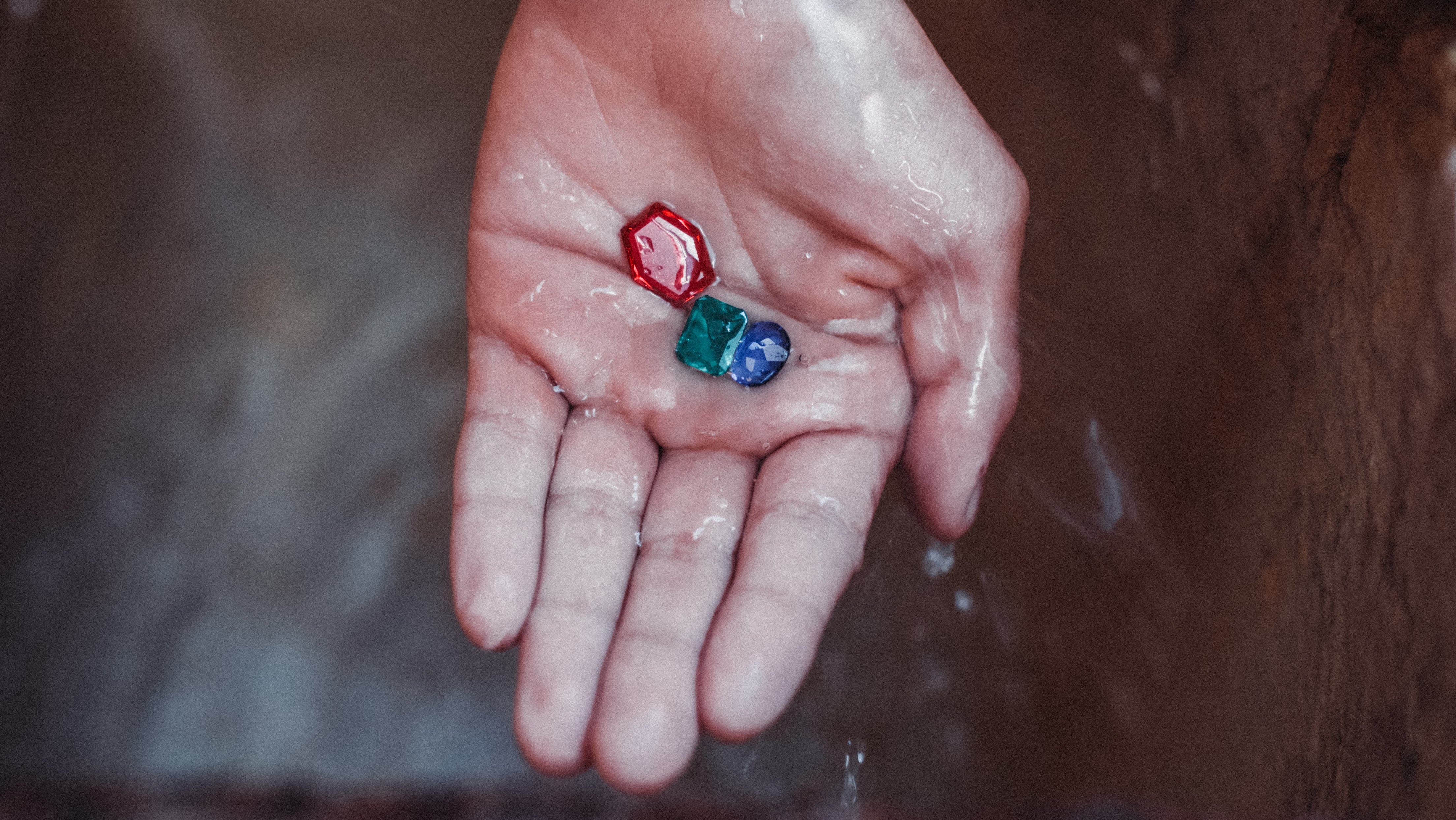
Gemstones That Make a Difference
Why Have We Chosen Lab-Grown Gemstones?
Rubies, sapphires, and emeralds have fascinated the world for centuries through their color, rarity, and history. But behind their brilliance lies another reality: mining.
The Hidden Impacts of Mining
Gemstone mining often has troubling consequences. In Myanmar for rubies, Madagascar and Sri Lanka for sapphires, and Colombia for emeralds, extraction is linked to serious social issues: displaced communities, corruption, armed conflict, extremely low wages, and a lack of transparency.
Yet little is said about it. Organizations such as Human Rights Watch and Public Eye have raised the alarm, but their voices remain isolated. Meanwhile, narratives glorifying “natural” gemstones are widespread and reinforce an image of luxury that does not always reflect the reality of their origin.
A Fairer Alternative: Lab-Grown Rubies, Sapphires, and Emeralds
For more than a century, techniques have made it possible to create rubies, sapphires, and emeralds in laboratories with the same chemical composition, brilliance, and structure as mined stones. They are not imitations or counterfeits. They are genuine gemstones, grown under controlled conditions without mines or exploitation and with a greatly reduced human and environmental impact.
AGUAdeORO’s Commitment
At AGUAdeORO, we believe the true value of jewelry lies in what it represents.
For us, creating beauty should never carry a hidden cost.
That is why our jewelry is crafted exclusively with lab-grown rubies, sapphires, and emeralds.
If there is a fairer way to do things, we believe it deserves to be chosen.

Our Lab-Grown Rubies: The Ethical and Transparent Alternative
Full transparency and traceability
Significantly reduced environmental impact
Consistent quality and exceptional purity
Every purchase of a cultured ruby is a strong message in favor of more responsible jewelry. At AGUAdeORO, we believe that true beauty and true luxury must always be conscious, ethical, and human.
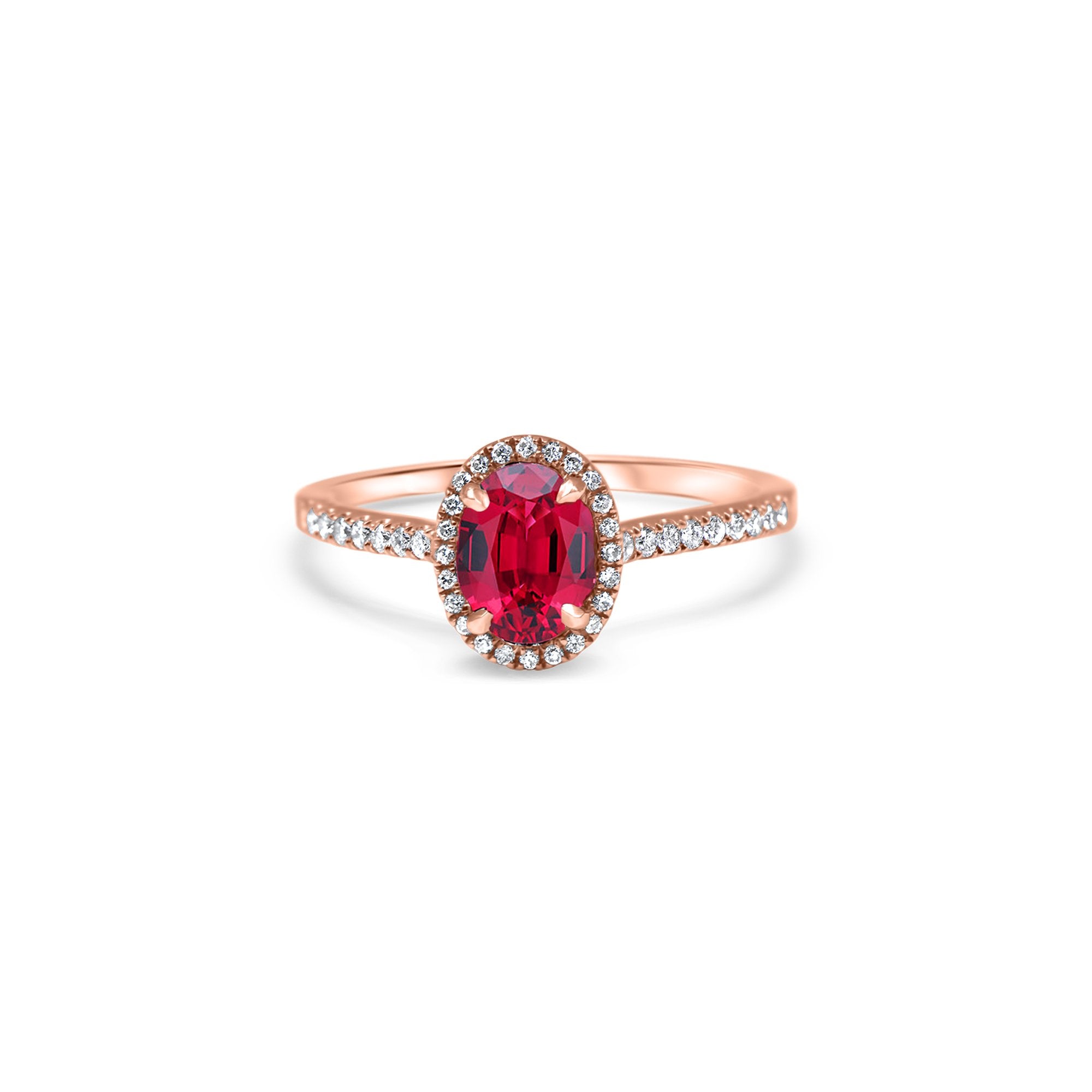
Good to know: the Ruby
- Hardness and durability: 9 (very high, perfect for everyday jewelry)
- Stability: Very stable, resistant to common chemicals and high temperatures
- Maintenance: Safe cleaning with warm water, mild soap, and a soft brush
- Birthstone: July
- Anniversaries: 15th and 40th wedding anniversaries
- Personal tips: Perfect for highlighting hazel or brown eyes, or for those who love intense red
Facts and beliefs about the ruby:
- It was once believed that wearing a ruby brought strength, courage, and protection
- It was associated with physical and emotional vitality, as well as passionate love.
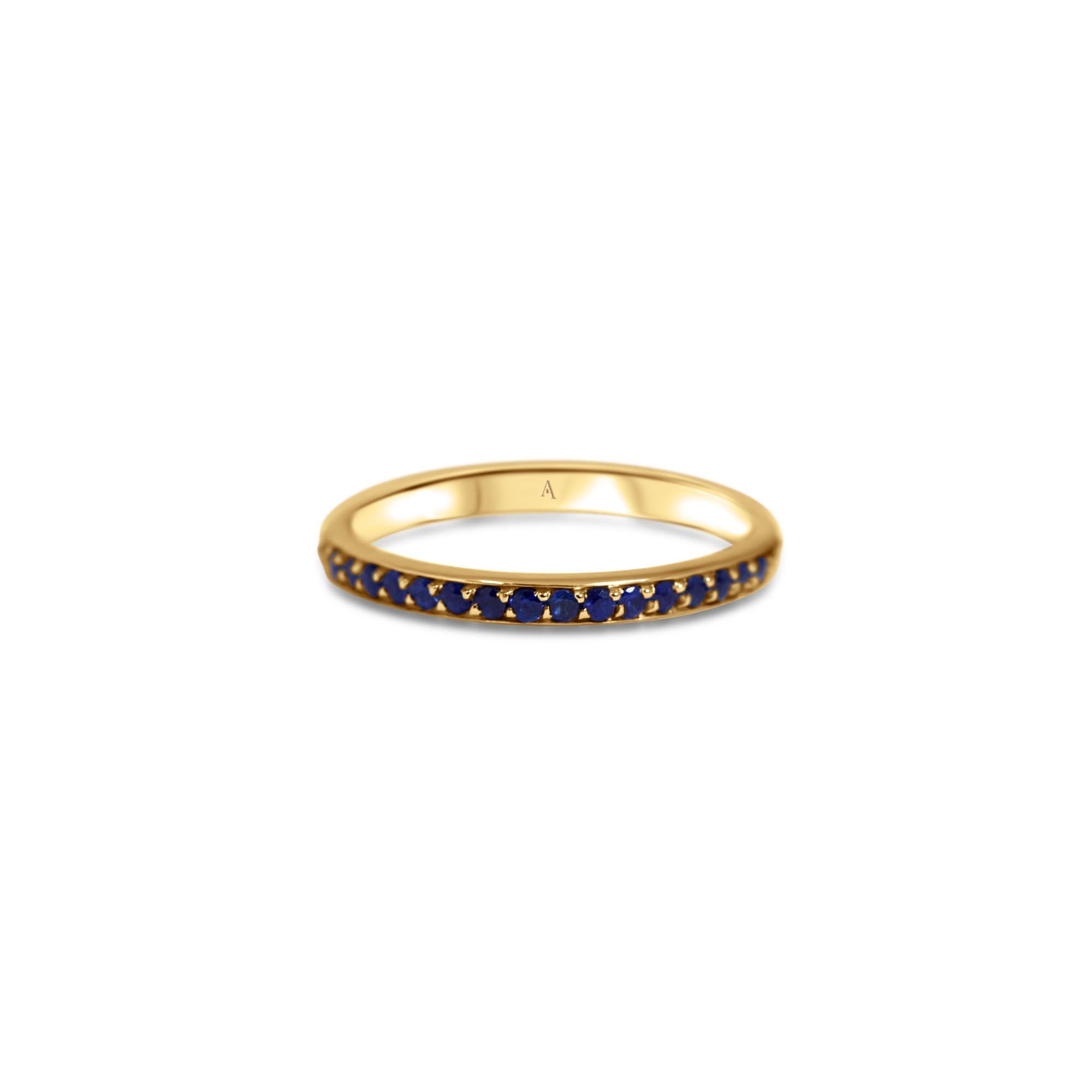
Good to know: Blue Sapphire
- Hardness and durability: 9 (high durability, excellent for daily use)
- Stability: Very stable and resistant
- Maintenance: Warm water, neutral soap, and soft brush
- Birthstone: Month of September
- Anniversaries: Sapphire wedding (5th and 45th anniversaries)
- Personal advice: Ideal for highlighting blue or gray eyes, or for those who love deep blue shades
Interesting facts and beliefs about blue sapphire
- It symbolizes loyalty, fidelity, and purity
- It was believed to protect against envy and curses
- Historically, it was considered the ideal stone to seal lasting promises and commitments
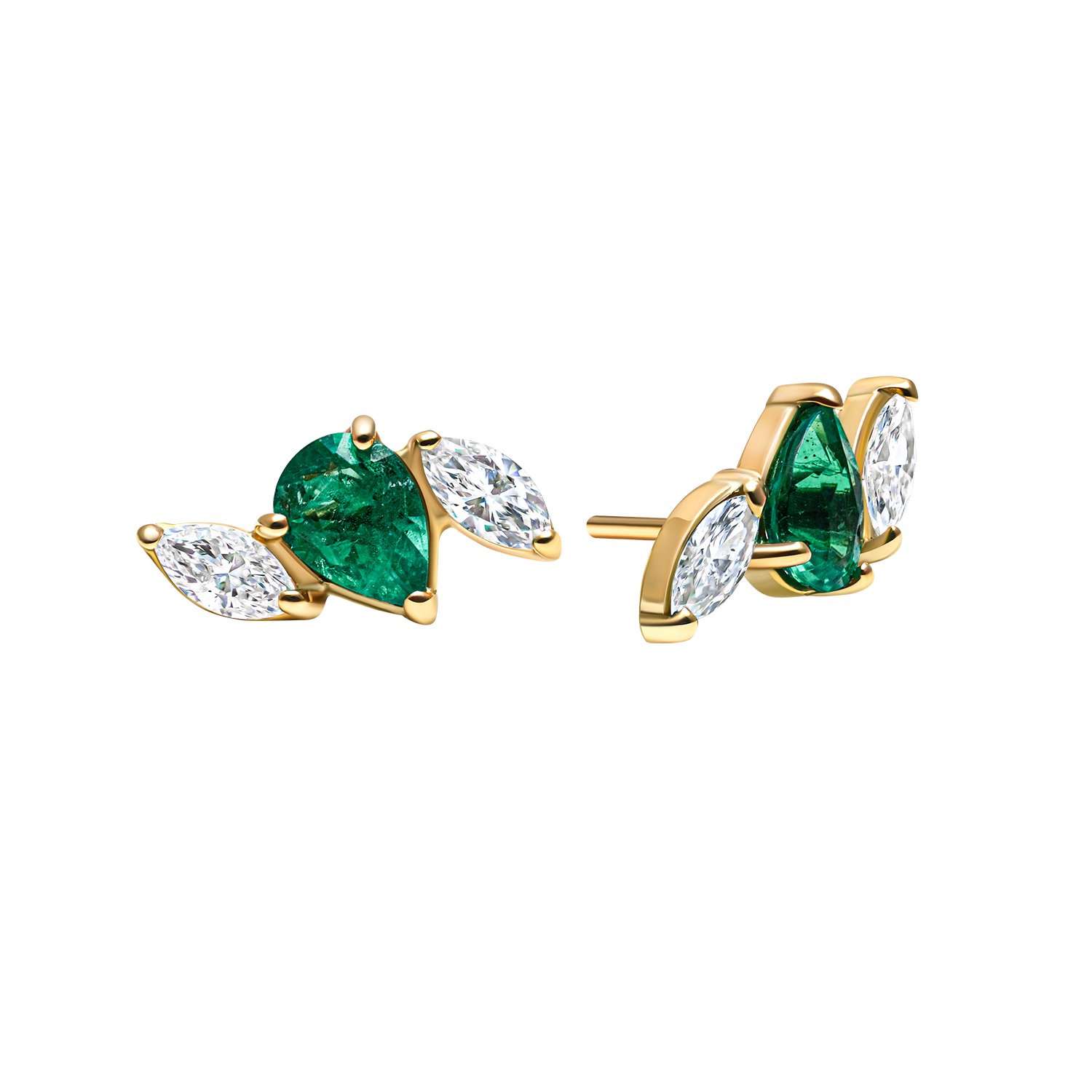
Special Features
Good to Know: Emerald
- Hardness and resistance: 7.5–8 (durable, but requires care due to the presence of inclusions)
- Stability: Sensitive to strong impacts and sudden temperature changes; avoid contact with harsh chemicals
- Care: Clean gently with lukewarm water, mild soap, and a soft cloth; avoid ultrasonic or steam cleaning
- Birthstone: May
- Anniversaries: 20th, 35th, and 55th wedding anniversaries
- Styling tip: Particularly flattering for green or brown eyes, and ideal for anyone who loves intense green tones
Interesting Facts and Beliefs About Emeralds
- Emeralds were once believed to strengthen eyesight and relieve eye fatigue.
- For the ancient Egyptians, emeralds symbolized eternal life and fertility — Cleopatra was known for her love of emeralds from the famous “Cleopatra’s mines.”
- For centuries, emeralds were considered protective talismans against evil and illness.
- Giving an emerald symbolized true love and hope, making it a meaningful gemstone for romantic promises.
- A medieval legend claimed that placing an emerald under the tongue gave a person the ability to foresee the future and express thoughts clearly.