

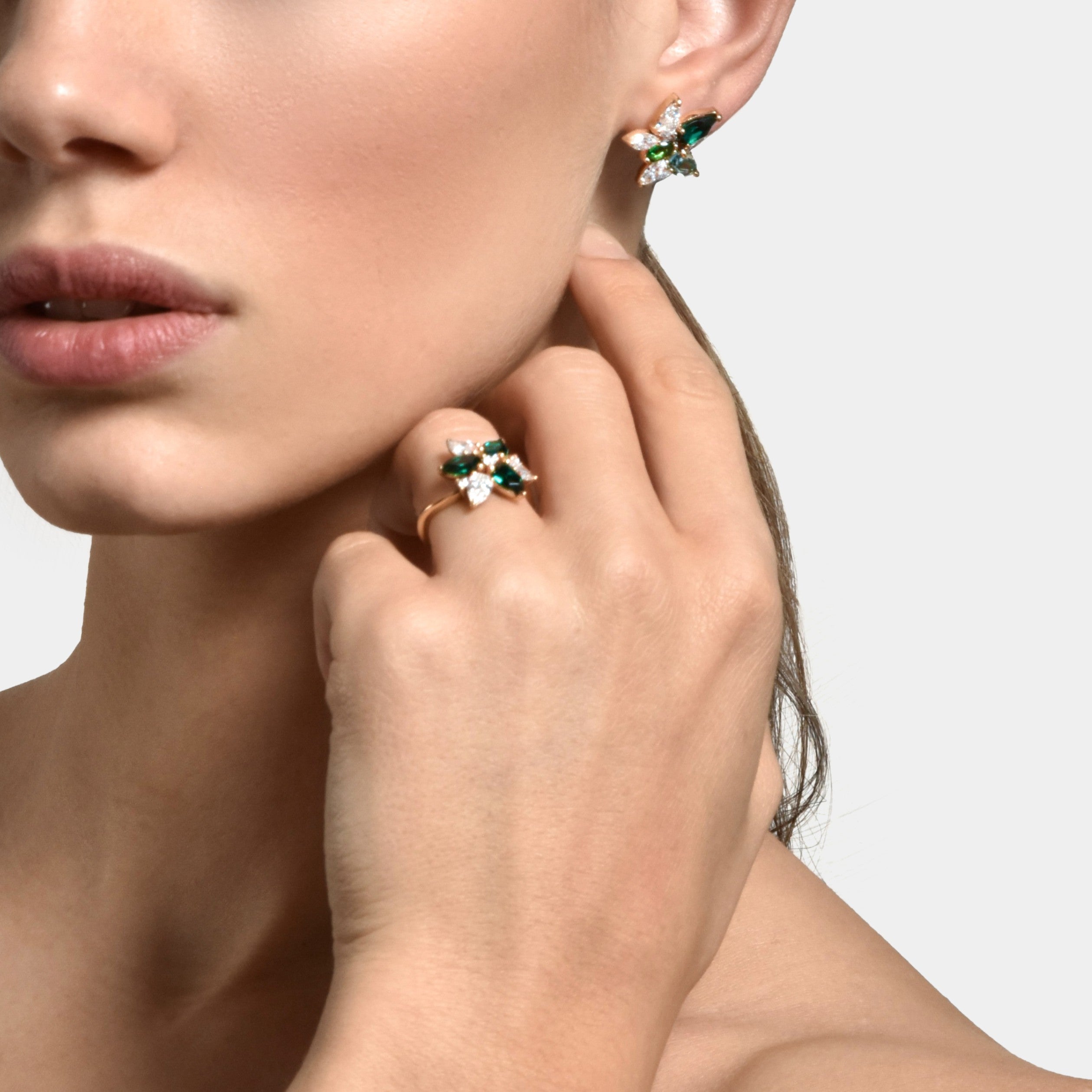
The Emerald
The emerald is both the birthstone of May and the gemstone of the 20th wedding anniversary. Together, these two traditions give the emerald a rare double meaning. It may be the most accurate way to describe what two decades of love really look like.
There is a moment, somewhere around the twentieth year of a marriage, when you realize something the early years could never have told you. The person beside you is not exactly the person you married. Neither are you. And yet here you both are, changed, shaped, tested, still choosing one another. That is not failure. On the contrary, it is the whole point.
The tradition of marking wedding anniversaries with specific materials is old and full of meaning. The first year is paper, fragile and new. The fifth is wood, beginning to take form. The fifteenth is crystal, suggesting clarity. And the twentieth is emerald.
Why the Emerald, and Why Twenty Years?
Among the major coloured gemstones, the emerald is one of the few in which inclusions are not only common, but often considered part of the stone’s character. While diamonds are graded almost entirely by the absence of inclusions, emeralds almost always contain them. The natural fissures, mineral traces, and fluid inclusions visible inside the stone are called its jardin, the French word for garden, because they can resemble moss, foliage, or branching forms of living things.
Gemologists do not read this jardin as a simple flaw. In emeralds, inclusions are expected, and they often form part of the stone’s identity, even though their nature and visibility still influence quality and value. In a natural emerald, these internal features tell the story of a stone formed over time, under very specific geological conditions. An emerald with no visible inclusions, especially at a meaningful size, is exceptionally rare.
Twenty years of marriage looks exactly like an emerald: vivid, deep, and marked by a history visible to anyone who knows how to look.
Twenty years of marriage has its own jardin. There are the moments of real difficulty, the years that tested everything, the conversations harder than expected, and the silences that eventually came to mean something. There are compromises that became habits, and habits that became love. None of it is without traces. And all of it contributes to the depth of the green.
The emerald was not chosen for the 20th wedding anniversary because it is spectacular. It was chosen because it may be the gemstone that most honestly represents endurance: extraordinary beauty, formed under pressure, carrying its history inside it, and beautiful not despite every trace of that history, but often because of the character those traces give it.
A Double Distinction: The Emerald as the Stone of May
This month, the emerald carries a double significance. It is the birthstone of May, worn for millennia as a symbol of renewal and the return of life after winter.
Throughout history, the emerald has always been surrounded by reverence. The Romans associated it with Venus, goddess of love and beauty, believing it reflected the very vitality of nature. The Incas considered it sacred, a divine gift rather than a simple material possession. Cleopatra famously claimed her own emerald mines in Egypt, turning the stone into an emblem of power and identity. In the Mughal Empire, emeralds were engraved with sacred texts and worn as talismans, uniting spirituality with protection. Across cultures and centuries, this stone has consistently been associated with loyalty, depth, and enduring love. Not the fleeting intensity of beginnings, but a more rooted, quieter form of attachment that deepens over time.


At AGUAdeORO, this understanding of endurance and meaning is reflected in the way we select and work with materials. We work with Fairtrade certified gold and cultured emeralds, gemstones that are chemically and physically identical to natural emeralds, yet fully traceable in origin. In this way, the depth and intensity that define the emerald are matched by a commitment to transparency and responsibility.
Whether chosen to celebrate a May birthday, twenty years of marriage, or simply for its timeless beauty, the emerald remains a stone of deep meaning and quiet strength.
FAQ
Why is the emerald the stone of the 20th wedding anniversary?
The tradition of associating gemstones with wedding anniversaries developed over centuries, with different cultures linking certain materials and stones to specific milestones. The emerald, with its connection to enduring love, loyalty, renewal, and a beauty that reveals itself precisely through its visible inclusions, became established as the stone of the 20th anniversary. It is also traditionally associated with the 35th anniversary, confirming that it is a gemstone that speaks more of depth than of youth.
What is the difference between a natural emerald and a cultured emerald?
Cultured emeralds have essentially the same chemical, physical, and optical properties as natural emeralds. What changes is their origin, their growth environment, their traceability, and their market context. They too may contain inclusions and growth features that tell the story of their own formation. Through our sourcing process, cultured emeralds allow us to offer a much more transparent and documented origin.
Can we design a custom piece together for a 20th anniversary?
Absolutely. Every bespoke piece at AGUAdeORO begins with a conversation about what the jewel should carry and express. For anniversary jewellery, that conversation is always one of the most meaningful we have. Visit us in Geneva or Zurich, or contact us online. We will take the time to do it properly.
Is yellow gold the right choice for an emerald?
Yellow gold is one of the most traditional and harmonious pairings for an emerald, recalling the warmth of antique jewellery while enhancing the richness of the green. That said, white gold or rose gold can also be beautiful choices depending on the tone of the stone selected and the preferences of the person who will wear it. We always advise according to the actual stone, not simply according to a general rule.
Read more
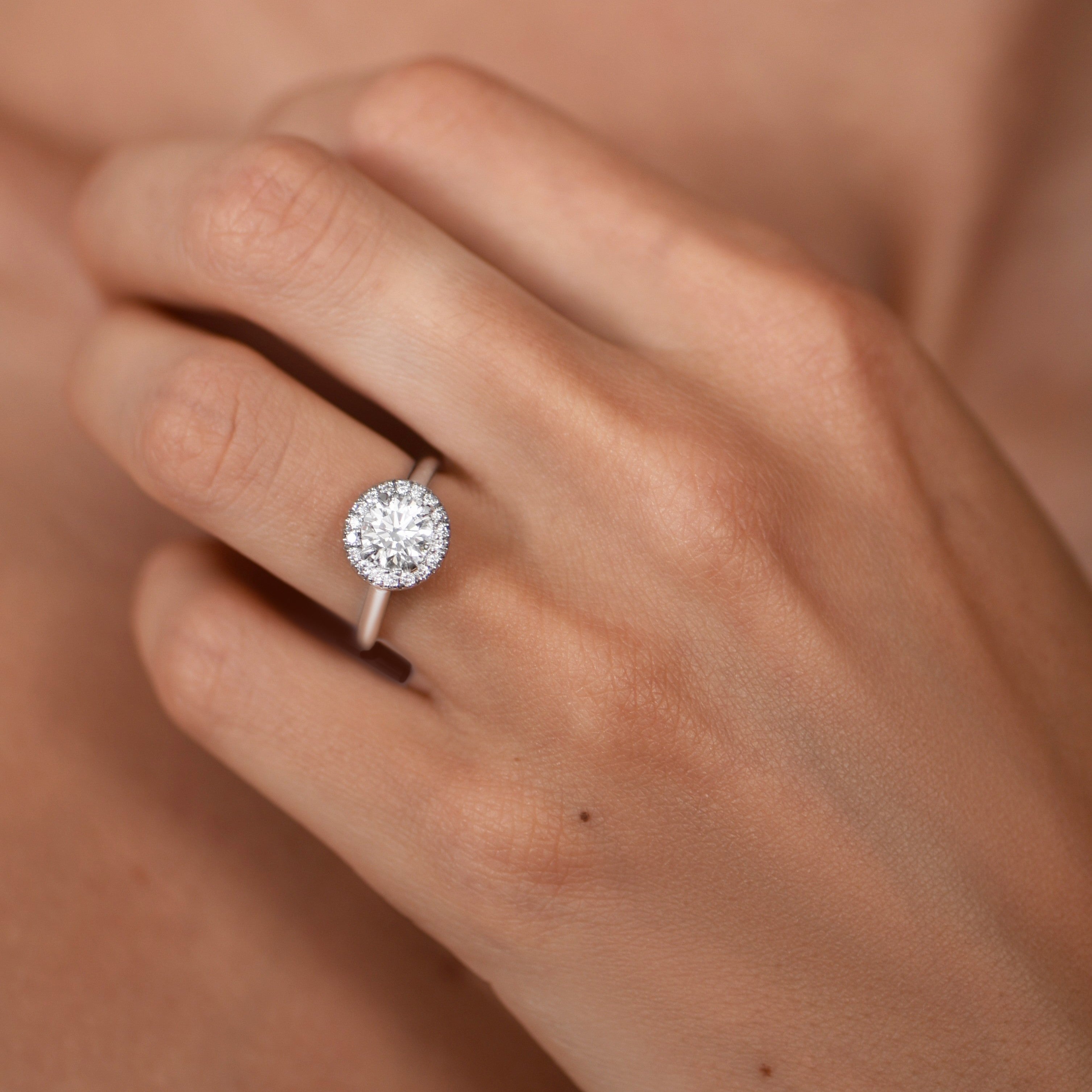
The diamond, April’s birthstone, is admired for its beauty and questioned for its origin. This article explores its history, symbolism, and the lab-grown diamond alternative at AGUAdeORO.
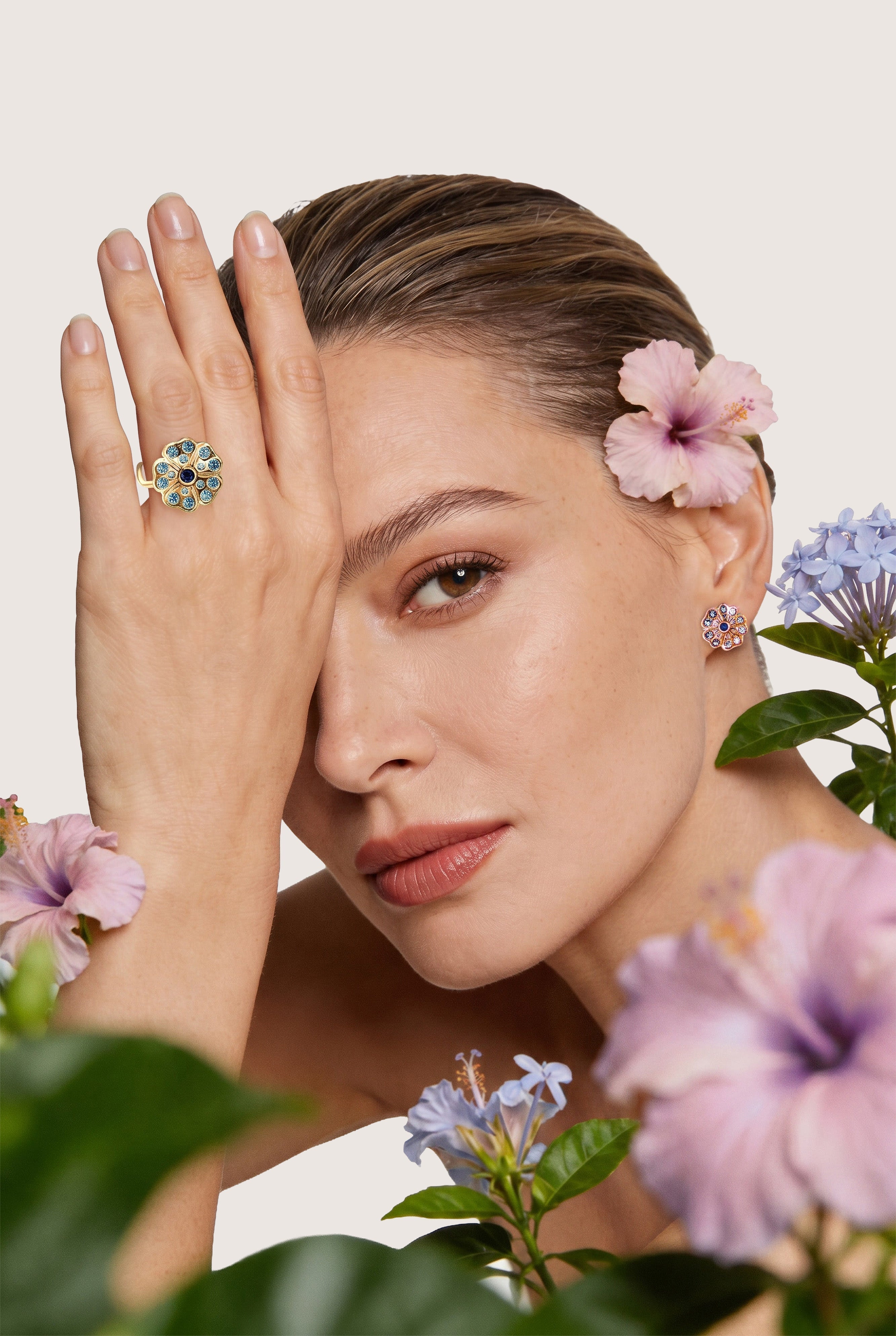
The Blooming Flowers Collection celebrates floral beauty, renewal and the poetry of nature through jewelry crafted in Fairtrade gold and lab-grown gemstones.