

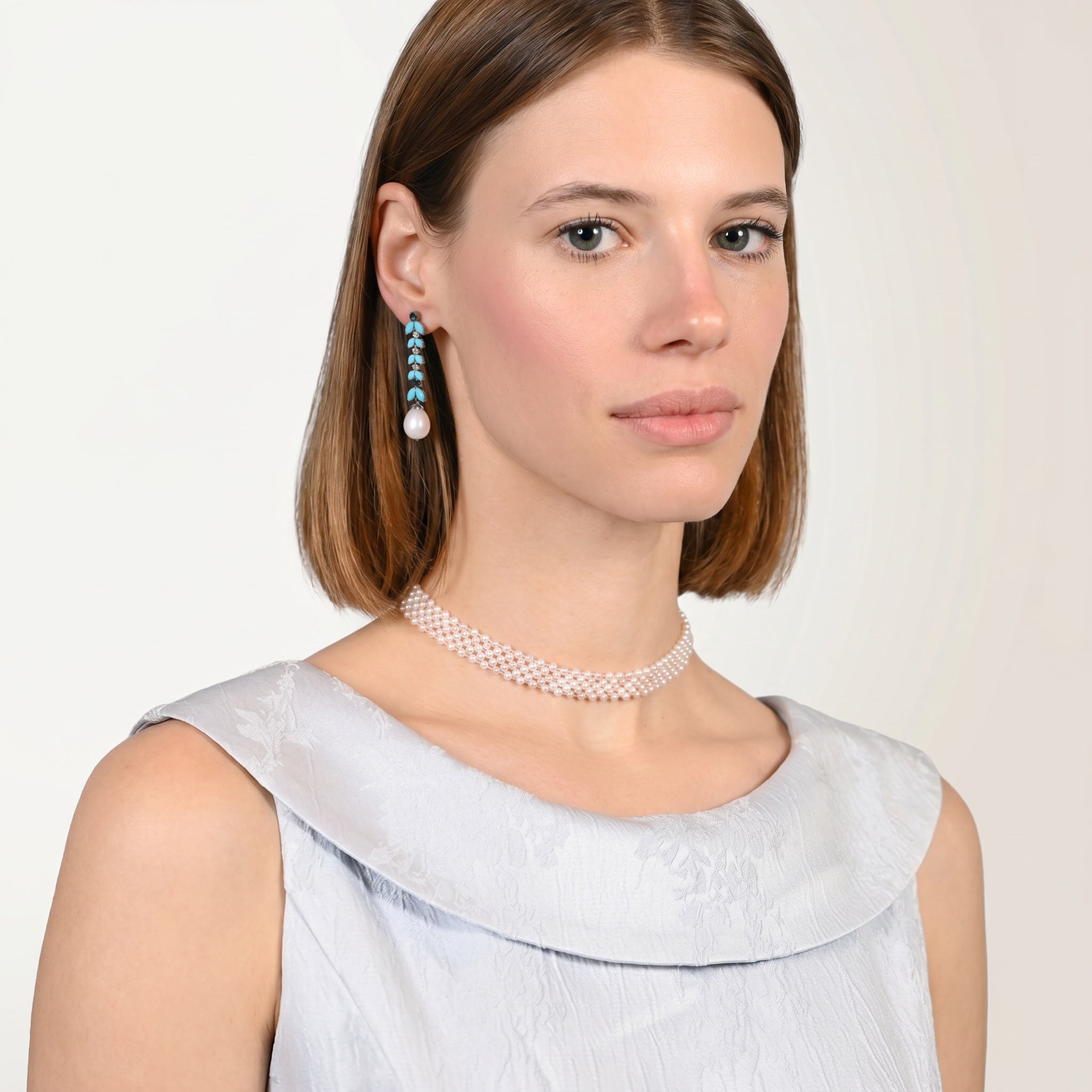
The Pearl
“As any study of royal and aristocratic portraiture of the time shows, pearls were power.” — Stellene Volandes, Jewels That Made History: 100 Stones, Myths, and Legends
Associated with the month of June, the pearl has long been admired for its understated elegance. Unlike mineral gemstones formed within the Earth, pearls are created within living mollusks, beneath the surface of seas, lakes and rivers. This origin has long shaped their mythology.
In Greco-Roman mythology, pearls were sometimes associated with divine tears and with Venus, goddess of love and beauty, while several Asian traditions connected them with wisdom, purity, prosperity or protection.
When thinking about pearls, Vermeer’s famous Girl with a Pearl Earring often comes to mind. The composition is striking in its simplicity, yet the pearl transforms everything. The single ornament becomes a point of focus, holding emotion within its quiet glow, like a suspended moment of light and identity that feels at once intimate and just out of reach.
Yet pearls have never truly disappeared. Instead, their meaning has shifted quietly beneath the surface of contemporary jewelry culture. No longer confined to markers of status alone, pearls now express intention, presence and a quieter, more introspective kind of sophistication.
They sit at the intersection of tradition and modernity, carrying history while resisting rigidity, allowing space for individuality to emerge through form that is never entirely predictable.
La Peregrina’s journey from the Spanish royal treasury to Elizabeth Taylor’s personal collection is one of the most striking examples of this evolution. First discovered in the waters of the Gulf of Panama, it passed through Spanish and European royal hands, accumulating layers of meaning shaped by power, inheritance and ceremony. When it later entered Elizabeth Taylor’s collection, its identity shifted once again. Framed through photography, cinema and personal styling, it moved away from purely aristocratic symbolism and became something more intimate, expressive and deeply human.

Reinvention through craftsmanship
The late nineteenth century marked a turning point, when cultured pearls transformed access without diminishing their poetry. Through carefully managed cultivation, a mollusk is prompted to form a pearl around introduced tissue and, in many saltwater species, a bead nucleus, allowing a biological process to continue under human care.
Several elements define a pearl’s character. Lustre refers to the quality and intensity of light reflected from the pearl’s surface and nacre. Surface, with its degree of smoothness and natural characteristics, influences both appearance and value. Color may include body color, overtone and, in some pearls, orient. Nacre, through its quality, thickness and structure, contributes to the pearl’s beauty and durability. Size, finally, changes both the visual impact and the intimacy of the jewel.
Together, these qualities reflect the mollusk, its growing environment and the conditions under which the pearl developed, making no two pieces truly identical.
Pearls today feel less like relics of a distant past. They no longer belong only to tradition or ceremony, but to a more personal language of style, where intention matters more than display.
To wear a pearl today is to choose understatement over excess.
Clarity over noise.
Meaning over ornament alone.
Read also


Read more
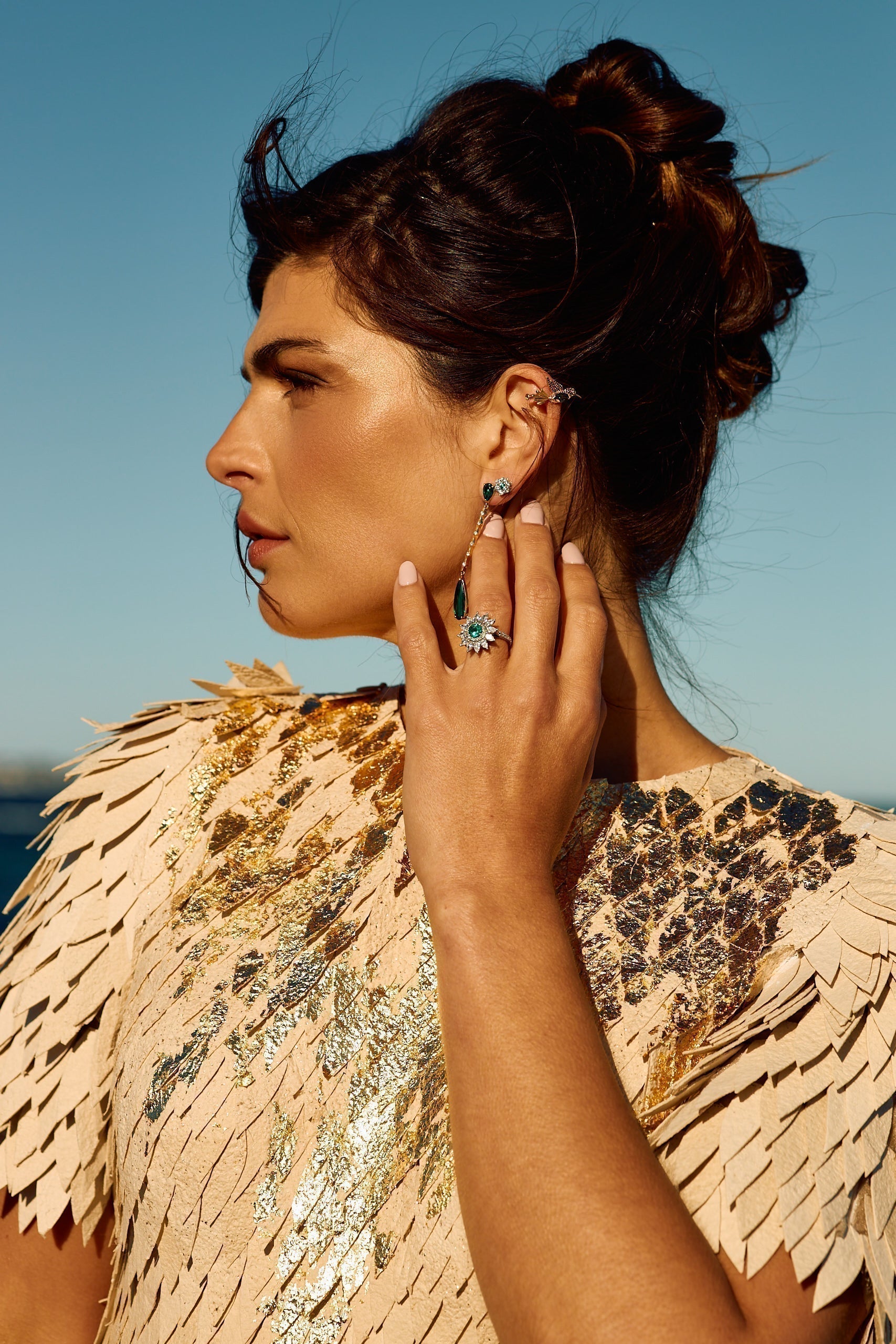
AGUAdeORO accompanied Swiss brand Pepeuf at the 79th Cannes Film Festival, celebrating a shared vision of ethical jewellery, responsible fashion and contemporary elegance.
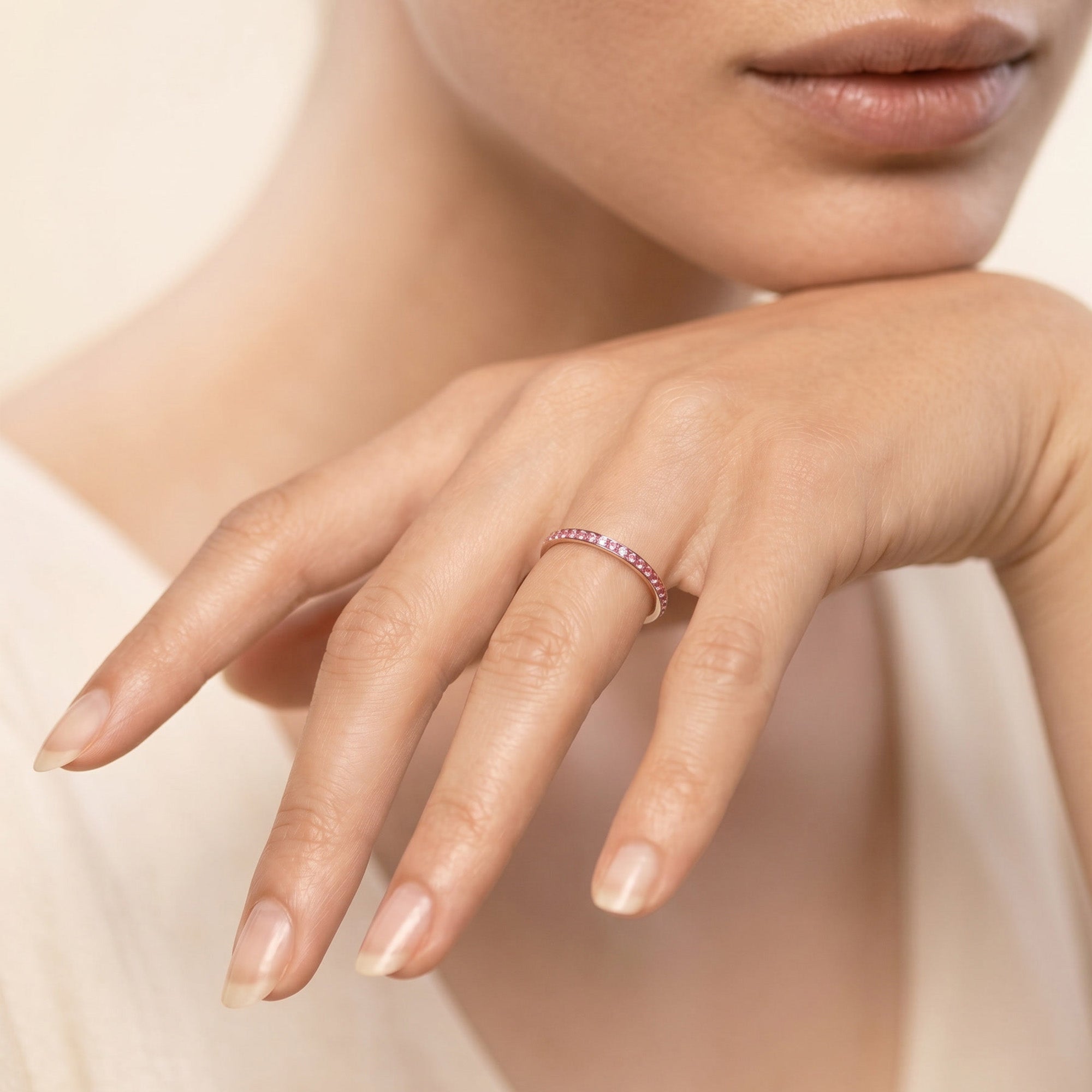
AGUAdeORO helps you evaluate, sell or transform your gold jewellery into a bespoke creation, preserving its value, emotion and story.