

Interview André Dunand: Part II
Returning to the essential: meeting FreeTheBees
Before continuing with this article, we invite you to discover the first part of our conversation with André Dunand. Find part one of the interview here.
What makes the FreeTheBees approach unique compared to more traditional beekeeping initiatives?
Historically, human beings have tried to bring bees closer to themselves, placing them in hives in order to exploit them more easily. That alone already represents a change of paradigm: the bee was adapted to our needs, rather than its natural functioning being respected.
What makes us different at FreeTheBees is that we take the opposite path. We draw inspiration from the bee’s original state, from its natural way of life, in order to recreate those conditions as faithfully as possible. This involves, above all, the habitat, which is a central element. As I explained, a natural habitat is round, thick, insulating, with optimal air circulation. Modern hives, on the other hand, are standardized, square constructions, with constraints that do not correspond to the natural needs of bees.
These differences change everything in the way bees live. Our approach is therefore to rethink these conditions entirely, so that bees can recover a way of life that is closer to their true nature.

Many people have heard that bees are in danger, but do not necessarily grasp the full scale of the problem. What is really happening today to bee populations?
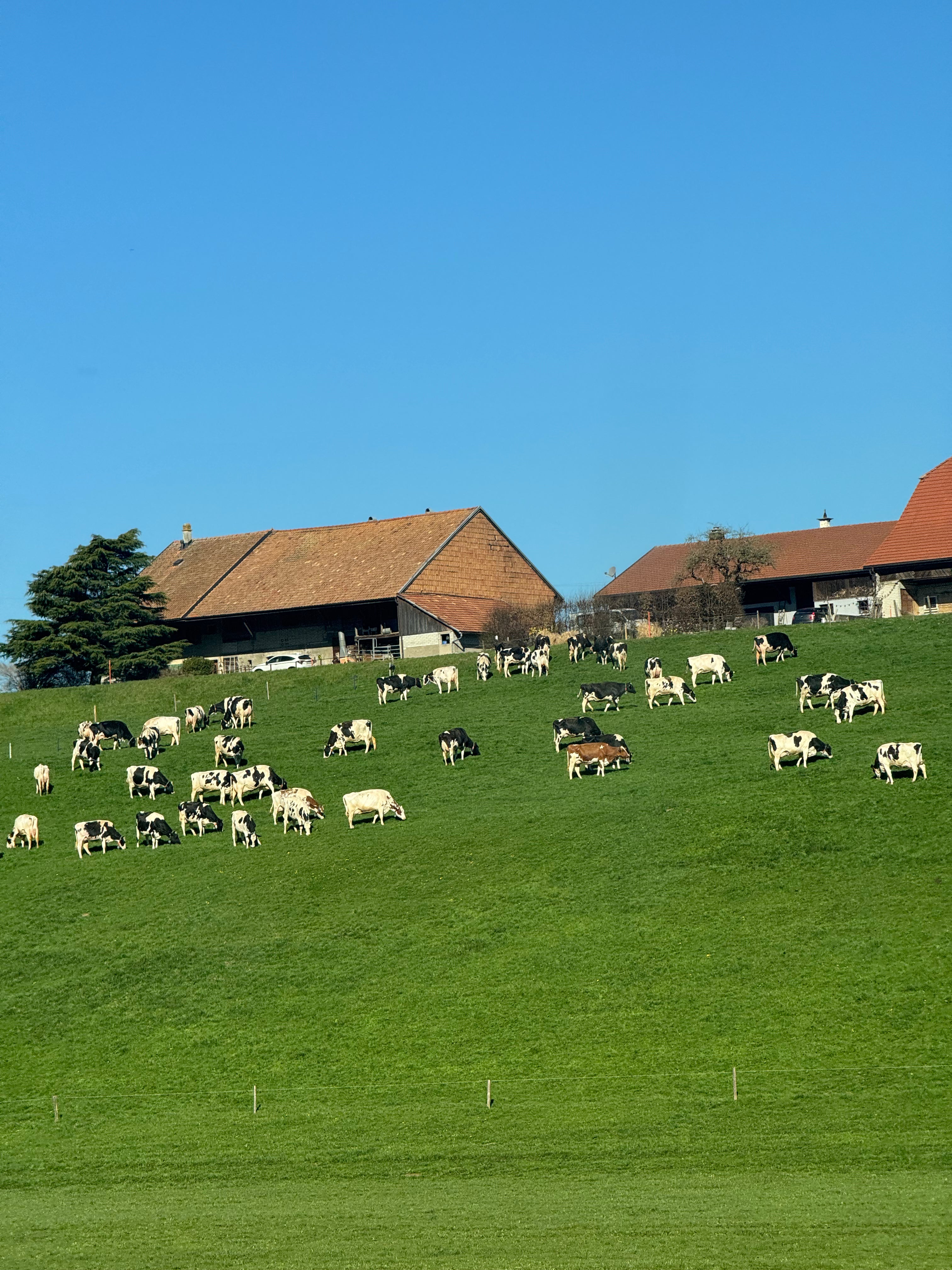
Fruit trees bloom and then, very quickly, at the end of that flowering period, the fields are cut. The bee then finds itself facing a real dilemma: where can it find food?
It is precisely at that moment that human beings can play a key role, becoming a source of support by creating flower gardens or planting trees. There are therefore simple actions we can put in place, but the main issue remains compensating for these periods when resources are lacking.
Another particularly important aspect is the use of pesticides, whether in agriculture or even in private gardens. People sometimes tend to think that only farmers are concerned, but in reality, pesticide use is far more widespread. This represents a major factor in the disappearance of certain bee species, and the honeybee also suffers the consequences.
Beyond honey production, why are bees essential for biodiversity and for our food systems?
If the bee disappears, or finds itself in serious difficulty, or simply if its population declines, then the consequences are immediate. There will be a significant lack of pollination. And from that imbalance will come major difficulties in producing food, and therefore in feeding the population. In the long term, this raises the question of our own ability to maintain the balance of our way of life.

What are the main projects or initiatives FreeTheBees is currently working on to support bee populations?
We share this information with the public through different means: conferences, courses, but also an educational trail where we welcome school classes, children, and parents. The objective is to show concretely the issues linked to bees, to make their challenges visible, and to explain their reality.
Another important project is the creation of cavities in trees. Since our mission is to support the return of the bee to its natural environment, we now observe an obvious lack of suitable habitats. To address this, we recreate cavities inspired by the traditional practices of the Zeidlers, directly in living trees whose life expectancy can reach 200 to 300 years. Similar practices can be observed among the Bashkirs and in Poland. It is a respectful approach that fully integrates nature into the development of honeybees living without human intervention.
Today, we have identified more than 400 locations where these bees live autonomously.
We also carry out monitoring three times a year, thanks to the commitment of volunteers. It is a genuine citizen science effort: in spring to check survival after winter, in summer to observe development, and in autumn to anticipate the colony’s ability to get through the winter. This data is extremely valuable. For a long time, people wanted us to believe that bees living without human intervention no longer existed. Today, we can demonstrate the opposite. In Switzerland alone, more than 400 colonies have already been identified, and numerous studies are underway in other countries.
What still remains to be developed is a truly wild honeybee, capable of surviving for several years, through several winters, in complete autonomy within a cavity. Today, in Switzerland, this phenomenon remains rare. We do observe colonies that settle, but they are not yet fully adapted to a life without human intervention. It is a process that takes time. But we are convinced that we will succeed.
Read more
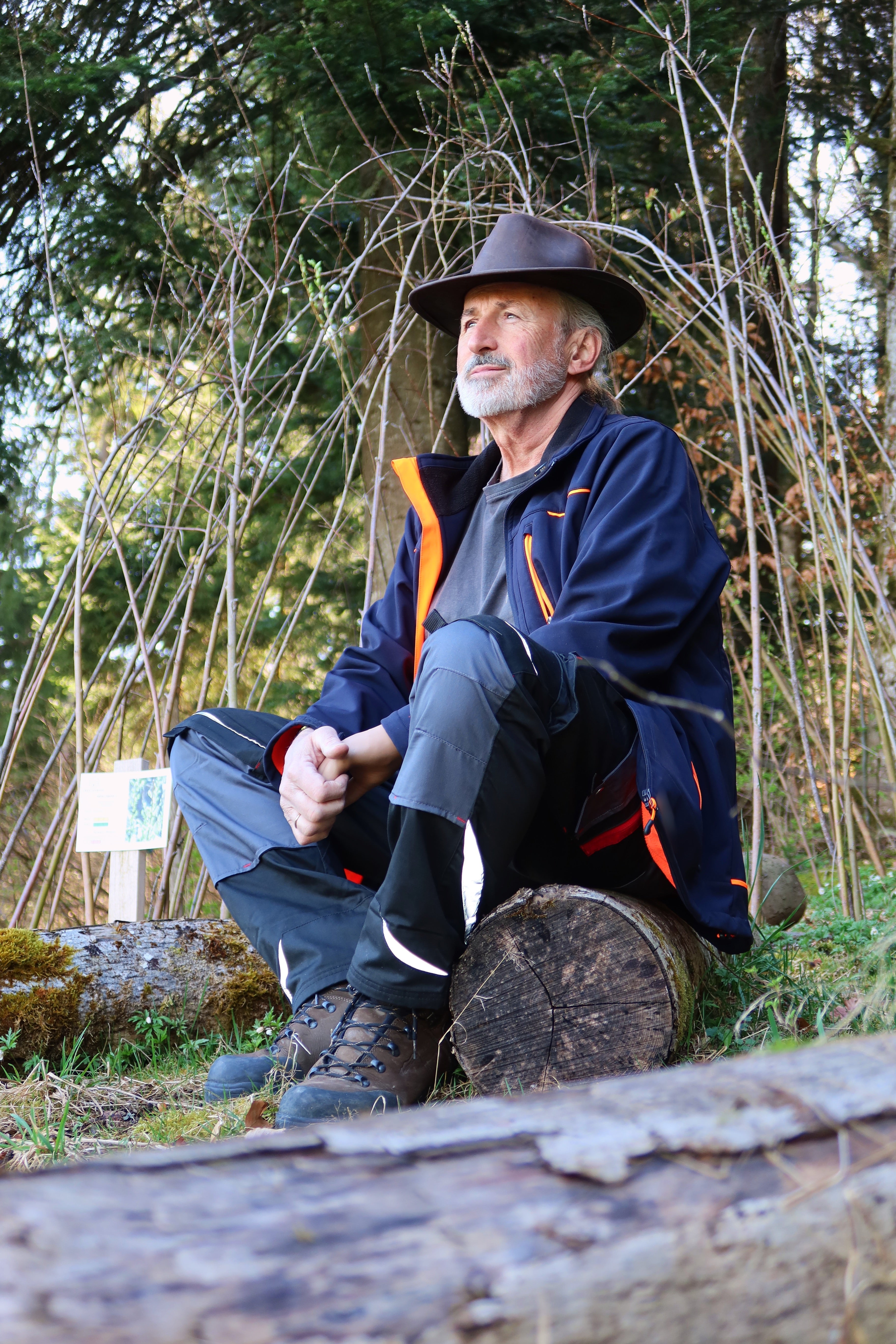
Through this conversation with André Dunand, AGUAdeORO explores the mission of FreeTheBees, the protection of wild honeybees, and the importance of respecting natural habitats.
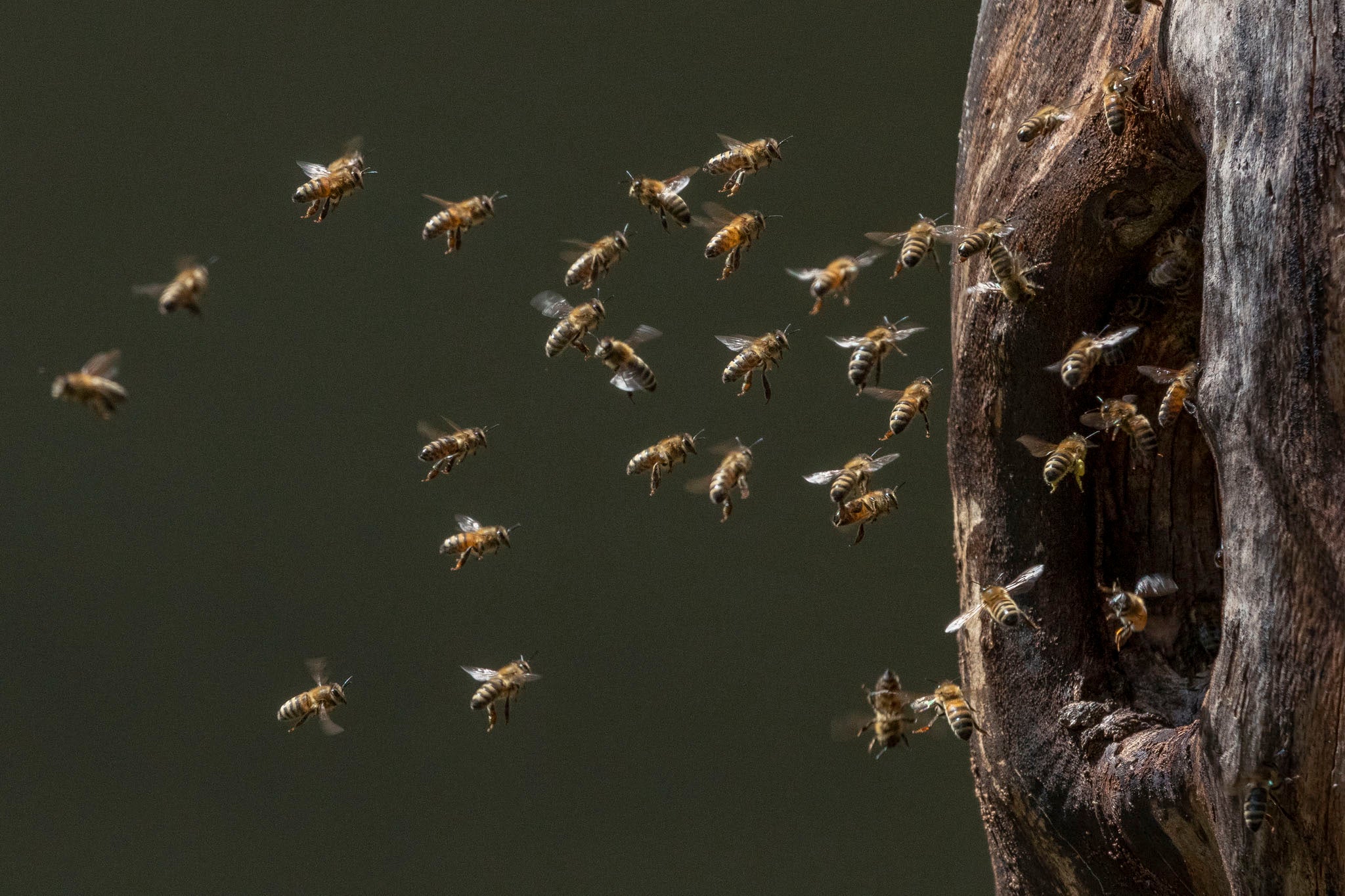
In this third part, André Dunand explains how everyone can take action to protect bees, and why the partnership between AGUAdeORO and FreeTheBees embodies the values of ethics, transparency, and bi...
Leave a comment
All comments are moderated before being published.
This site is protected by hCaptcha and the hCaptcha Privacy Policy and Terms of Service apply.