

Interview with André Dunand: Part I
Returning to the Essentials: Meeting FreeTheBees
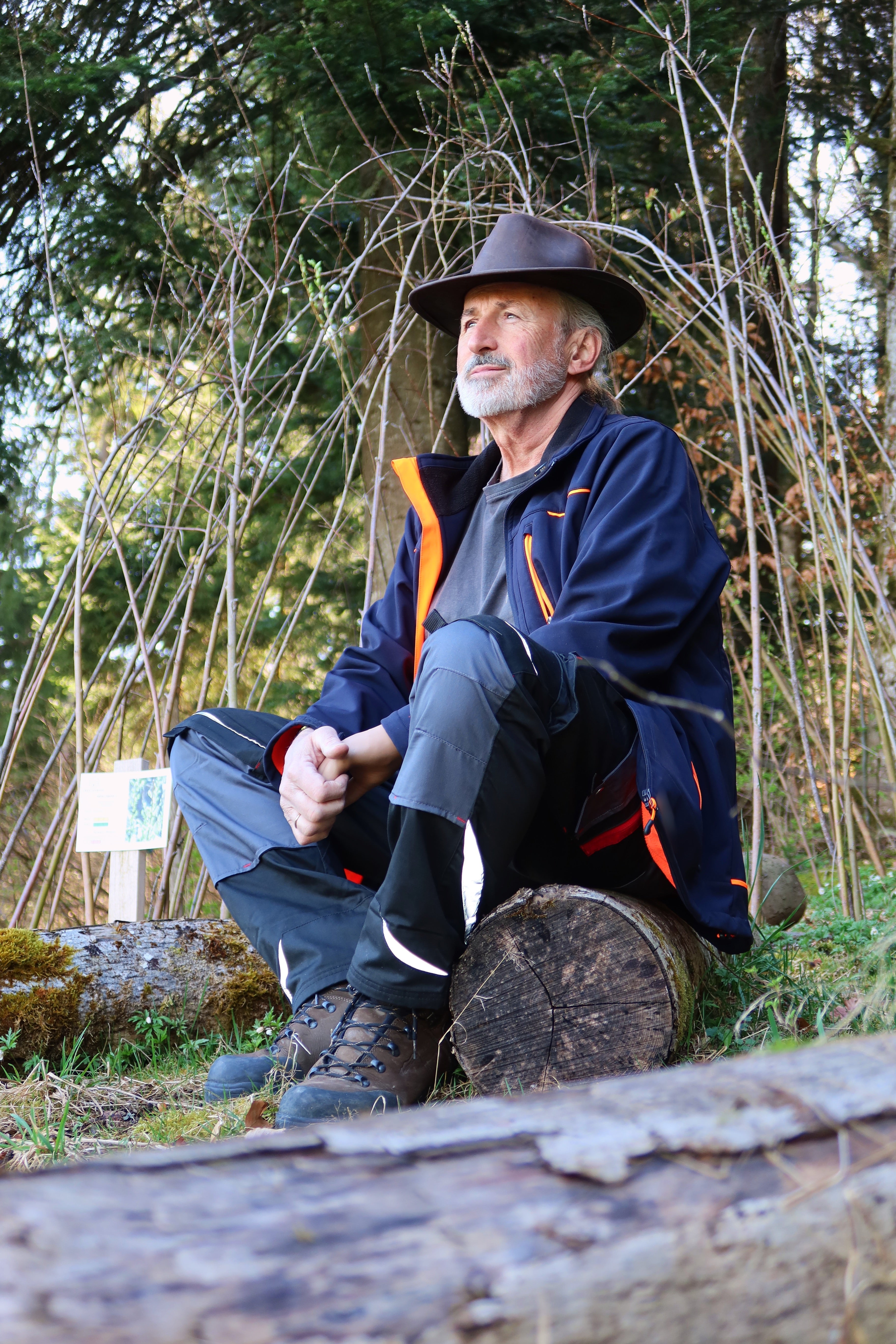
As part of the Save The Bees project, born in response to our Little Bee collection, we had the privilege of meeting Mr. André Dunand, president of the FreeTheBees association. This conversation took place along their discovery trail in Vaulruz, amid the gentle landscapes of the Gruyère region. Through this encounter, another vision emerges: more respectful, more conscious and deeply rooted in the living world.
The FreeTheBees Association
FreeTheBees was born from a profound questioning of conventional beekeeping, notably led by André Wermelinger, who had been a beekeeper for many years. Through direct experience with bees, he came to see inconsistencies in traditional beekeeping practices and, above all, the possibility of doing things differently.
He identified four main concerns. The first was the overly intensive nature of beekeeping. The second was that honey production had become the priority at the expense of the bees themselves. The third concerned replacing extracted honey with industrial sugar, which he considered unsuitable for bees. Finally, he strongly objected to the excessive use of chemical treatments.
FreeTheBees grew from this realization, with the aim of proposing a different approach that is more respectful of the natural functioning of bees.

What motivated your involvement in this initiative, and what vision guides your mission today?
I have always felt very close to nature and deeply sensitive to these issues. For a long time, however, my professional activities did not allow me to become involved in a concrete way. When I retired, I finally had the time to devote myself to what truly mattered to me. I discovered FreeTheBees at a conference and very quickly connected with its mission and vision. It corresponded perfectly with the way I see nature and the world.
This commitment was also a way of fulfilling a part of myself that had remained on hold. Today, what guides our mission is the idea of protecting bees by respecting their natural way of life and rethinking the human practices that affect them.
Your organization focuses specifically on wild honeybees. Why is this distinction important?
We made this choice because honeybees are directly affected by conventional beekeeping practices. They undergo treatments, manipulation and changes to their diet and way of life. They therefore require particular attention. We have observed that these practices create real problems and that concrete alternatives are needed.
Of course, many bee species are endangered today. But we could not address everything at once. We therefore chose to focus on the honeybee, because this is where we believe we can have the greatest impact by proposing alternatives to current beekeeping practices and improving conditions in a tangible way.
Many initiatives encourage installing more hives to help bees. What is your view of this approach?
It is important to understand that there are already a great many hives. Switzerland has around 18,000 beekeepers, which means hive density is already very high across the country.
The contrast with natural conditions is striking: in a natural environment, there are generally between one and five bee colonies per square kilometer. In some areas today, densities can reach around twenty hives per square kilometer. The difference is considerable.
That raises an important question: is adding even more hives really the right answer? For us, generally not. There are already enough colonies. The priority today should not simply be increasing their number, but improving bees’ quality of life.
That involves other levers: more nature, greater biodiversity and better living conditions. There is a great deal that can be done beyond simply installing additional hives.

Your work highlights the importance of bees’ natural habitats, particularly cavities in trees. Why are these environments so important for their survival?
Originally, bees live in natural habitats such as cavities inside trees. For practical reasons, people brought bees closer to human settlements, particularly to make honey production easier, and created hives that are artificial structures. This is where a fundamental difference appears: natural habitats are rounded and organic, whereas conventional hives are generally rectangular.
This may seem insignificant, but it can change important environmental conditions inside the colony. In structures with right angles, air circulation can be less fluid, creating stagnant areas and encouraging humidity and mold, which can affect bee health.
By contrast, in a natural habitat such as a tree trunk, air can circulate more naturally. Another major difference is wall thickness. A tree cavity may be surrounded by 8 to 10 cm of wood, while a conventional hive may have walls of around 3 to 4 cm. This difference plays an important role in thermal regulation, helping natural cavities maintain a more stable temperature in both summer and winter.
In a conventional hive, bees can experience greater temperature fluctuations: hotter in summer and colder in winter.
This can have direct consequences. According to the association’s observations, a colony in a well-insulated natural habitat may require far less honey to get through winter than one in a conventional hive. The comparison illustrates how strongly habitat can influence bees’ energy use and survival.
To learn more, visit the official FreeTheBees website.
Read more

Through a new episode of More Than Love, AGUAdeORO celebrates Mother’s Day with the story of a mother, of passing something on, and of a quiet love that is strong and deeply human.
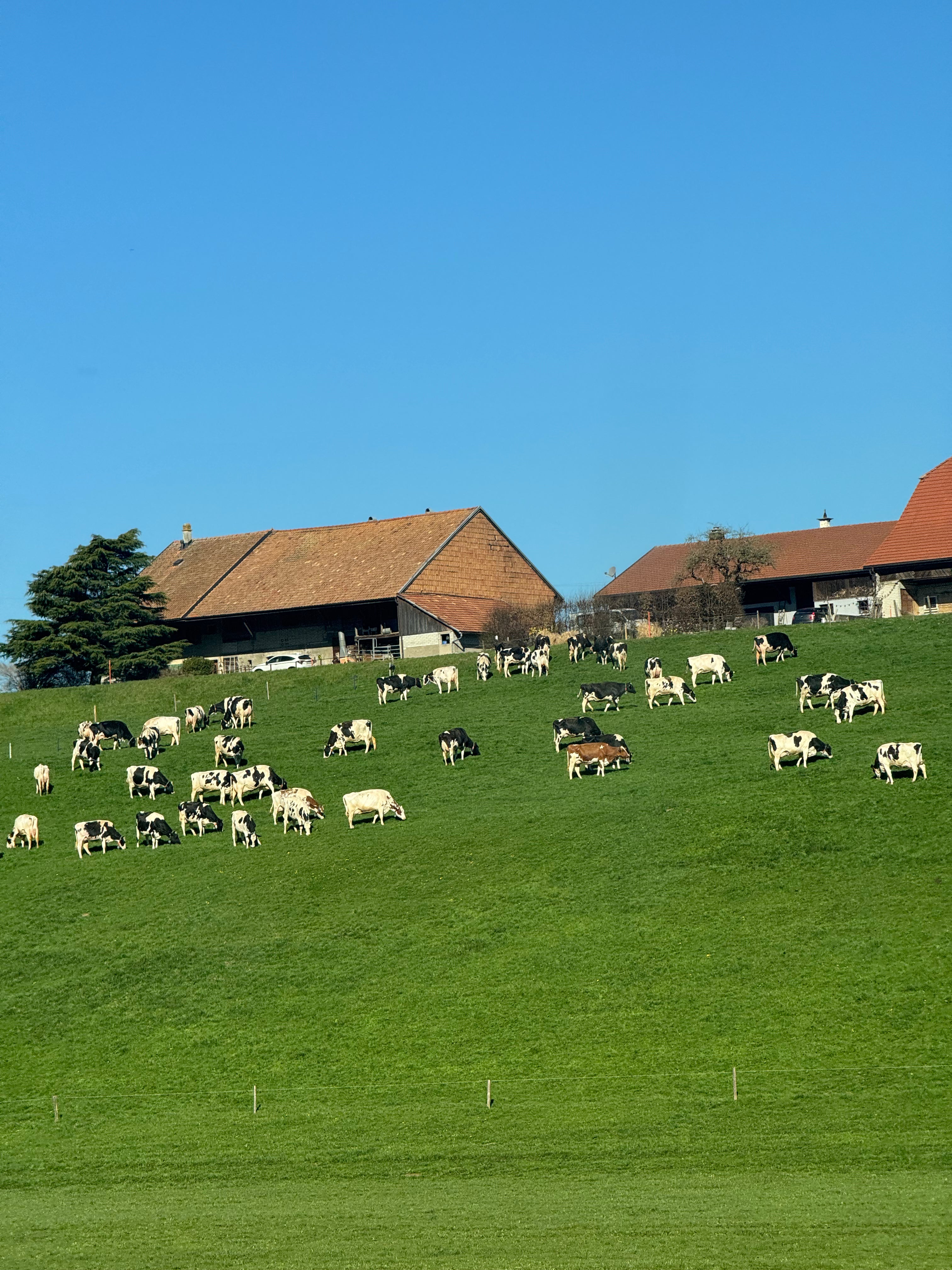
In this second part of our interview, André Dunand explains the unique approach of FreeTheBees, the urgency of protecting bees, and the projects developed to restore their natural habitats.
Leave a comment
All comments are moderated before being published.
This site is protected by hCaptcha and the hCaptcha Privacy Policy and Terms of Service apply.