

Colombia: The Emerald at the Heart of Violence
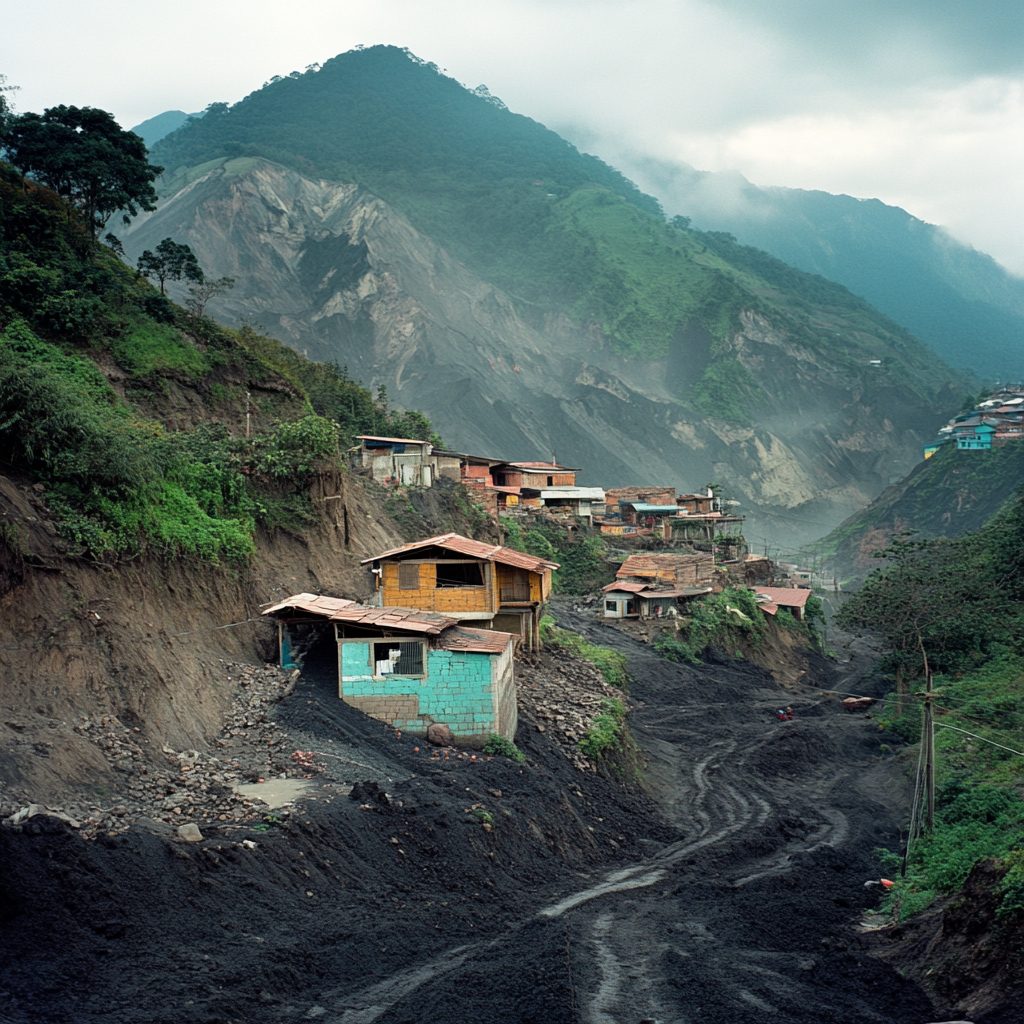
Beneath the captivating glow of Colombian emeralds lie alarming realities, where the precious beauty of the stone contrasts with the social and environmental damage caused by its extraction. While it adorns some of the most exquisite jewelry creations and appears in the great halls of gemology, it is important to look beyond appearances and revisit the years of history that continue to shape Colombia today.
The first production of emeralds dates back to pre-Columbian civilizations, between the 13th and 16th centuries. The arrival of the Spanish conquistadors was accompanied by the appropriation of many resources from the American continent, including mines, beginning a long tradition of exports to Europe.
The Esmeralderos and the Green War
The period from the 1970s to the 1990s in Colombia marked the beginning of a tragic era known as the “Green War,” particularly in the province of Boyacá. In a context where many mines were operated illegally, violent conflicts emerged. This climate of tension reflected a fierce struggle between the esmeraldos—miners and traders competing for emerald-mining territories—and armed groups, mafias and cartels seeking to impose their control over these areas. Rivalries intensified by this struggle for power led to massacres, kidnappings and summary executions that reportedly left a tragic toll of around 3,500 lives lost between 1970 and 1989, according to the Colombian media outlet El Tiempo. But this figure does not capture the unknown and invisible stories that may have resulted from unrecorded losses.
Did the “Green War” truly end in the 1990s? Violence persists and continues to cause mass displacement, leaving lasting trauma in the affected regions.
The Government’s Response
Faced with this persistent reality, the Colombian government has sought to contain the violence and regulate a chaotic industry. Despite these efforts, corruption and criminal infiltration hinder these ambitions. Several initiatives aim to regulate the sector and improve living conditions for affected communities, including the formalization of small mines and targeted operations against the cartels and armed groups that exploit this market. A system of origin certification has also been introduced to promote emerald traceability and combat money laundering. At the same time, local development programs and awareness campaigns seek to provide economic alternatives and inform communities about the dangers of illegal mining, which remains widespread today.
Today: Emerald Green Still Causes Harm
The violence surrounding Colombia’s emerald industry has resurfaced with alarming intensity. In August 2024, two prominent figures in the gemstone trade were shot dead in Bogotá, victims of a sniper and a hitman. This escalation of violence highlights the lack of control by authorities over emerald extraction and trade in Colombia. Meanwhile, local communities, often caught in the turmoil of these rivalries, suffer the consequences of an ever-present fear that deeply affects families and social relationships.
Just a few kilometers away, in Muzo, the world capital of emeralds, hundreds of guaqueros gather every day to search through piles of earth discarded by foreign mining companies, hoping to find emeralds. Equipped with bags and shovels, these emerald hunters dream of discovering a stone that could transform their lives. Yet after hours of searching, the reality is often harsh: many return home empty-handed, caught between the dream of quick wealth and a life marked by poverty.

Mining: The Other Side of the Coin
Mining in poor countries causes considerable social damage, often hidden behind the illusion of wealth. Around 70% of the emeralds extracted in Colombia come from illegal mines, according to recent NGO reports (Human Rights Watch, reports on natural resources). Workers in search of quick fortune often find themselves trapped in precarious conditions, exposed to poverty and insecurity. In addition, around 10,000 children are reported to work in mines and quarries extracting emeralds, gold and coal (International Organization for Migration). Conflicts between criminal groups worsen this suffering and devastate the social fabric of communities. The stones extracted from these mines therefore symbolize not only potential wealth, but also sources of violence, exploitation and environmental degradation, making their purchase and trade morally problematic.
The consequences of emerald extraction in Colombia are alarming. Massive deforestation, the use of toxic chemicals and waste compromise the environment and biodiversity of the regions where mines are established. Investigations indicate that internally displaced people continue to suffer the indirect consequences of emerald extraction, particularly through the loss of their land or the degradation of their environment, pushing them to leave their places of origin.
Thus, if consumers continue to purchase emeralds from mines, several serious consequences may persist:
- Exploitation of workers and children: A significant number of children are involved in exploitative conditions due to various concerning socioeconomic factors. Often from disadvantaged backgrounds, families are forced to send their children to work to supplement insufficient incomes. Criminal networks and armed groups may also recruit these young people to carry out tasks in mines, exposing them to particularly dangerous environments and depriving them of educational opportunities.
- Continued violence: Emeralds are at the heart of violent conflicts between different actors, including paramilitary and criminal groups fighting for control of the mines. Continued demand for emeralds from these conflict zones can indirectly support illegal activities and fuel local instability.
- Forced displacement and loss of ancestral lands: Local communities, often rural, are frequently expelled from their land to make way for mining. This destroys their traditional way of life and pushes them into precarious conditions.
- Environmental degradation: Unregulated or illegal mining contributes to severe environmental degradation, harming local ecosystems, polluting rivers and soils, and destroying biodiversity.
By choosing jewelry adorned with lab-grown emeralds from AGUAdeORO, you support an ethical jewelry house that prioritizes sustainability, reduces environmental impact and contributes to a more transparent industry. Each lab-created stone helps preserve local communities and fragile ecosystems while guaranteeing complete traceability, free from the conflicts and violence associated with traditional mines.
AGUAdeORO
Swiss jewelry house using responsible materials since 2009.
Luxury is about heritage. But not if it means robbing others of their future.
(Image sources: Images created by artificial intelligence)
Read more
As a matter of fact, it is not. Indeed, the gold has already been mined originally but we don’t know how, by whom, and where! Did it support wars, money laundering or bribery? And how were the mine...

The diamond market is being disrupted by the rise of lab-grown diamonds, particularly in China and the United States. De Beers’ famous “A Diamond is Forever” slogan, created to support the industry...
Leave a comment
All comments are moderated before being published.
This site is protected by hCaptcha and the hCaptcha Privacy Policy and Terms of Service apply.